
The evolution of gambling tracing the history of chance and luck
The Ancient Beginnings of Gambling
Gambling has roots that stretch back thousands of years, with evidence of dice dating as far back as 3000 BC in ancient Mesopotamia. These primitive games of chance were often linked to religious practices and belief systems, where luck was perceived as a divine influence. In many early societies, gambling served as a form of entertainment and social interaction, allowing participants to engage in friendly competition or even resolve disputes through chance. For those interested in the latest trends, there’s more info available on new developments in the gambling world.
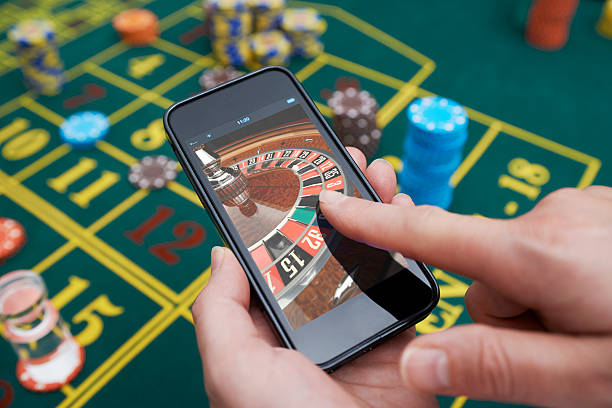
As civilizations progressed, so did the complexity of gambling. The Chinese, for instance, were among the first to develop games that involved betting on the outcomes of events, using methods like drawing lots or playing with tiles. Such innovations laid the groundwork for various forms of gambling we recognize today, encapsulating the deep-seated human fascination with luck and fortune.
The Middle Ages and the Rise of Betting
During the Middle Ages, gambling became more structured, leading to the emergence of organized games such as cards and dice games. This period saw the establishment of laws governing gambling, as well as the introduction of betting houses where people could place wagers on various games and events. These developments reflected a growing societal acceptance of gambling as a legitimate pastime, albeit with inherent risks.
The emergence of cards in Europe around the 14th century marked a significant evolution in gambling. Games like poker and blackjack would later emerge, blending skill and chance in ways that captivated players. The notion of gambling as a source of entertainment was solidified during this time, creating a space for camaraderie and competition fueled by the thrill of chance.
The Birth of Modern Gambling
The 18th and 19th centuries ushered in a new era for gambling with the establishment of casinos and racetracks. The introduction of more sophisticated games, coupled with advancements in technology, transformed how people engaged with gambling. The invention of the roulette wheel and the establishment of the first official casinos in cities like Venice and Monte Carlo highlighted the growing popularity and commercialization of gambling.
This period also saw the rise of betting on sports events, which became increasingly popular in England and America. Bookmakers began to flourish, offering odds and creating a structured approach to wagering that appealed to a broader audience. The intertwining of luck with strategic thinking became even more pronounced, as players sought to gain an edge through knowledge and analysis.
The Digital Revolution in Gambling
The turn of the 21st century brought about a seismic shift in gambling with the advent of the internet. Online casinos and betting platforms emerged, allowing players to engage in games of chance from the comfort of their homes. This digital transformation democratized access to gambling, enabling a global audience to participate in various games and events.
Alongside this growth came concerns about responsible gambling. Many online platforms began to implement measures to promote safe gambling practices, ensuring players could enjoy their experiences without falling into harmful habits. The evolution of technology continues to influence the gambling landscape, with innovations like live dealer games and mobile gaming reshaping how people experience chance and luck.

The Future of Gambling
As we look to the future, the evolution of gambling remains closely linked to advancements in technology and societal attitudes toward chance. Innovations such as virtual reality and blockchain are poised to further revolutionize the gambling experience, making it more immersive and secure. The allure of chance will undoubtedly persist, as new generations of players seek novel ways to engage with their favorite games.
Understanding the history of gambling—from its ancient roots to its modern iterations—helps us appreciate the role of luck and chance in our lives. Whether through casual gaming or more serious betting, the journey of gambling reflects humanity’s enduring fascination with fortune and fate.